Lift Station Installation and Repair
- Home
- Lift Station Installation and Repair
Need a Free Estimate?
Residential Lift Station Service in Marion County
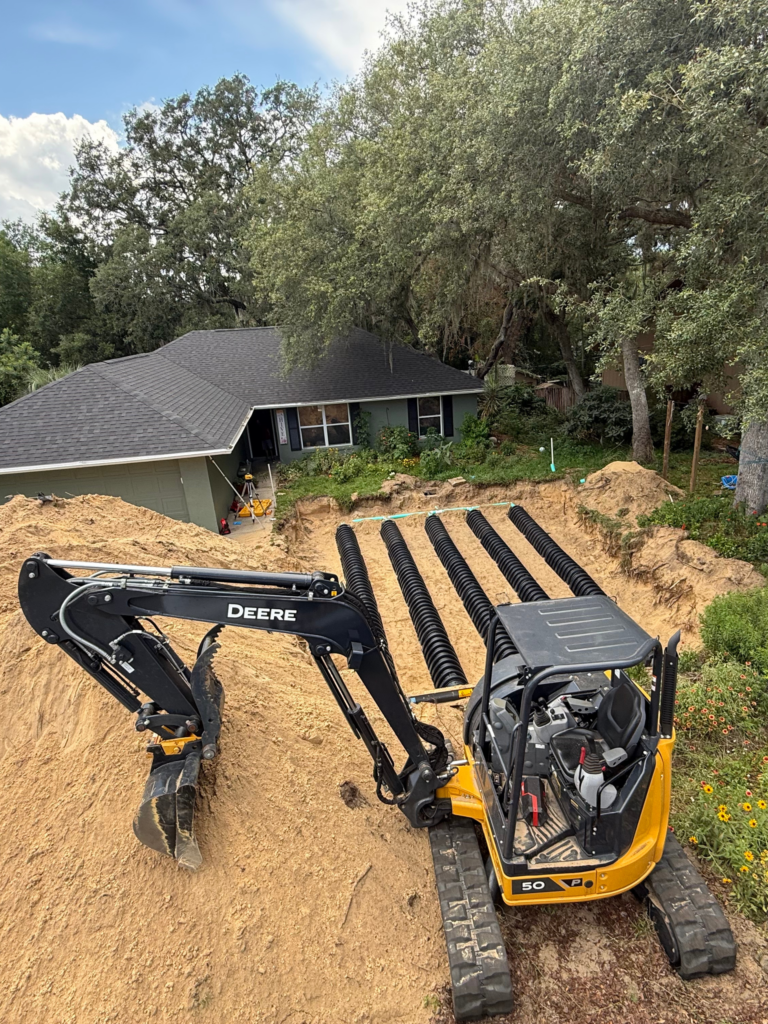
Across Ocala and the rest of Central Florida, plenty of homes sit lower than the drain field that serves them. Sometimes the lot slopes the wrong way. Sometimes the drain field had to be built up above grade to stay clear of the water table. Either way, wastewater has to be pumped uphill, and the equipment that does it is your lift station: a pump, the tank it sits in, float switches, and an alarm.
When one of those parts fails, the tank fills and the lowest drains in the house back up first. Our licensed plumbers track down the failed part, replace it, and test the whole system before they leave. Building new, adding a bathroom, or replacing a drain field or septic system? We size and install the lift station to match. Miller and Sons Plumbing provides lift station service for homeowners throughout Ocala, Marion County, Gainesville, The Villages, Dunnellon, Crystal River, Citrus County, and the surrounding Central Florida communities.
-
Lift Station Installation
New pump tanks, pumps, floats and alarms, sized for your home and installed to code.
-
Pump Repair and Replacement
Effluent, sewage and grinder pumps diagnosed on site and replaced when a repair no longer makes sense.
-
Floats, Alarms and Check Valves
Stuck float switches, dead alarms and failed check valves found and fixed before they cause a backup.
-
Inspections and Maintenance
Yearly checks of the pump, floats, alarm and tank so small problems never reach the house.
Signs Your Lift Station Needs Service
Lift stations rarely fail without warning. Call us if you notice any of these.
- The alarm light or buzzer comes on
- Drains run slow or gurgle at the lowest fixtures in the house
- Sewage odor near the tank or in the yard
- Wet or soggy ground around the tank lid
- The pump runs nonstop, short cycles, or never seems to run
- The breaker for the pump keeps tripping
How a Residential Lift Station Works
Wastewater leaves the house or the septic tank and collects in a sealed pump tank set in the ground. As the level rises it lifts a float switch, and the float turns the pump on. The pump pushes the wastewater through a pressure line to the drain field, septic tank, or sewer connection, and a check valve keeps it from running back. When the level drops, the pump shuts off.
One more float sits higher than the rest. If the water ever reaches it, the alarm sounds. That is your warning that the pump is not keeping up.
-
Pump Tank
The sealed basin where wastewater collects, sometimes called a wet well or dosing tank.
-
Pump
An effluent pump, sewage ejector pump, or grinder pump, depending on what it has to move.
-
Float Switches
Turn the pump on and off as the level rises and falls.
-
Check Valve
Stops pumped wastewater from flowing back into the tank.
-
High Water Alarm
A light and buzzer that warn you when the level is too high.
Cut back on water use and call us. The alarm means the tank is filling faster than the pump can empty it, and it will not fix itself.






A lift station only gets attention when it stops working, and by then the problem is already in your house. You want a plumber who shows up, tells you plainly what failed and fixes it right the first time. Miller & Sons Plumbing is a family owned, veteran owned company that has served Ocala since 2016. We are a Florida state certified plumbing contractor, we give free estimates, and we offer military and senior discounts.
- Family-Owned & Operated
- Veteran Owned
- Experienced Technicians
- Reliable and Honest Service
- Free, Honest Estimates

What Not to Flush When You Have a Lift Station
Everything that leaves the house passes through the pump. These are the things that jam it, wrap around it, or wear it out early.
- Wipes of any kind, including the ones labeled flushable
- Feminine hygiene products and diapers
- Paper towels, dental floss, and hair
- Grease and cooking oil
- Cat litter
- Paint, solvents, and harsh drain chemicals
A lift station is a pump and tank that move wastewater uphill when gravity cannot. Homes have one when the plumbing sits lower than the septic tank or drain field, or when the drain field is raised above grade. The pump switches on automatically each time the tank fills to a set level.
The alarm is the clearest sign. Others include slow drains or gurgling at the lowest fixtures in the house, sewage odors near the tank, wet ground around the lid, or a pump that runs constantly or never seems to run at all. Any of these is worth a call before it turns into a backup.
Cut back on water right away. Hold off on laundry, the dishwasher and long showers. Check that the breaker for the pump has not tripped, then call us. The alarm means the water in the tank is higher than it should be, and silencing it does not fix the cause.
Most residential pumps last somewhere between 5 and 15 years. The type of pump, how often it runs and what goes down the drain all matter. Wipes, grease and harsh chemicals shorten the life of a pump faster than anything else. Regular inspections catch a worn pump before it quits.
Once a year is a good rule for most homes. During an inspection we test the pump, check each float switch, confirm the alarm works and look over the tank, lid and piping. Homes with heavy water use or an older pump may be better served by a check every six months.
It depends on what failed. A stuck float switch or a bad check valve is a much smaller repair than a new pump, and a full installation costs more again. We look at the system first, explain what we found and give you a free estimate before any work begins.
We do not recommend it. A lift station combines raw sewage, electricity and an enclosed tank where dangerous gases can collect. Resetting a tripped breaker is fine. Anything past that, including pulling the pump or opening the tank, should be left to a licensed plumber with the right equipment.

Have a question or ready to get started? Reach out today and speak directly with our team. We’re happy to discuss your project, answer your questions, and provide a free, no-pressure estimate.
reception@millerandsonsplumbing.net
(352) 433-6525